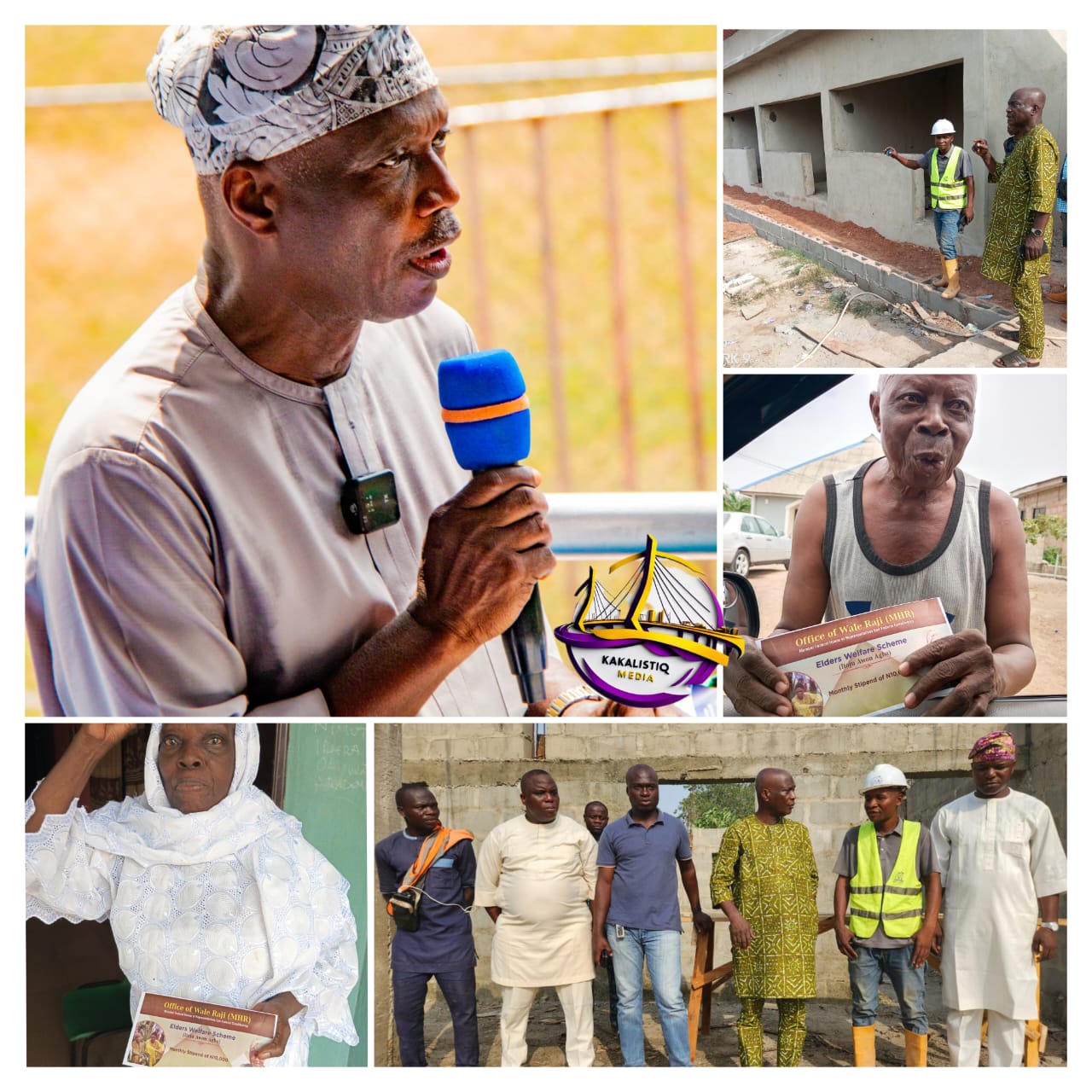
In an ere when political leadership is often measured by speeches rather than service, Rep. Wale Raji’s recent inspection tour of ongoing projects in Eredo LCDA offers a refreshing reminder that governance is ultimately about presence, performance, and people. His hands-on visit to key development sites underscores a governing philosophy rooted not in symbolism but in supervision, not in announcements but in accountability.
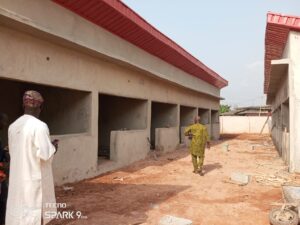
At Pobo Market, Poka, the nearing completion of the Phase II expansion with 24 semi lock-up shops marks more than physical progress; it signals renewed economic hope for traders and residents alike. Rep. Raji’s directive to ensure that all 72 shops in the market complex are delivered in top condition before commissioning later this month reflects a rare insistence on quality over haste. This approach reinforces the idea that public projects must serve public needs with durability and dignity.
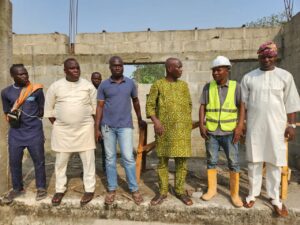
The inspection of the long-stalled classroom project at Pobuna Secondary School further highlights a commitment to reviving abandoned hopes. The resumption of work on the 12-classroom storey building, complete with offices and furniture, demonstrates how active legislative oversight can breathe life back into neglected initiatives. With contractors assuring completion by April and materials already on ground, the project now stands as a symbol of renewed urgency in addressing infrastructural gaps in education.
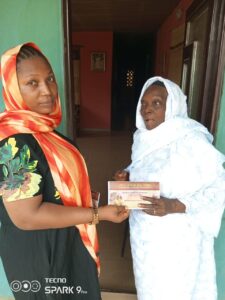
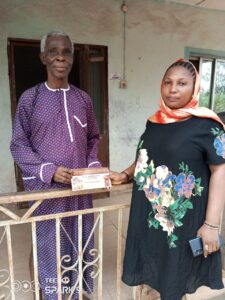
Yet, bricks and mortar alone do not define leadership. Equally telling is Rep. Raji’s continued investment in human welfare through the Elders Welfare Scheme, Itoju Awon Agba. The January 2026 distribution of ₦10,000 stipends to elderly beneficiaries across the 19 wards of Epe Federal Constituency is not merely an act of charity; it is a statement of values. For many recipients, the monthly support has become a lifeline amid harsh economic realities, restoring dignity and easing the burden of daily survival.
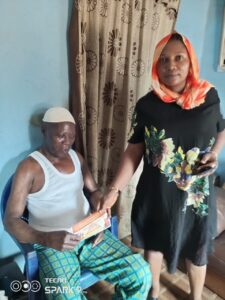
Since its inception in 2020, the scheme has reportedly reached hundreds of elders, with over ₦90 million committed to their well-being. The consistency of the programme have earned it not just praise, but trust which is an increasingly scarce currency in public life. The beneficiaries’ prayers and gratitude echo a deeper truth: when governance is personal, its impact becomes profound.
Taken together, these efforts paint a portrait of development-driven representation: one that balances infrastructure with compassion, monitoring with mercy. From modern market stalls that stimulate commerce to classrooms that shape future citizens, and from stipends that sustain the elderly to promises backed by action, Rep. Wale Raji’s approach suggests a leadership model anchored in tangible results.
Ultimately, this is what meaningful representation looks like: governance that leaves footprints in communities and fingerprints on lives. In Eredo LCDA and across Epe Federal Constituency, the message is clear: development is not just being planned; it is being pursued, inspected, and felt.